


Cybersecurity in 2025 looks nothing like it did a decade ago. As businesses, governments, and individuals increasingly rely on digital systems, the threats they face have grown more complex and relentless. Cybercriminals are now harnessing artificial intelligence to launch highly sophisticated attacks—automated phishing campaigns, AI-generated deepfakes, and adaptive malware that learns how to bypass defenses. Traditional security measures, once effective, are no longer sufficient to combat these evolving risks.

In response, artificial intelligence has emerged as both a shield and a sword in the fight against cybercrime. From detecting anomalies in real time to predicting attacks before they happen, AI-driven solutions are transforming the way organizations safeguard their data and infrastructure. In this article, we’ll explore how AI is reshaping cybersecurity, with a focus on the latest advancements in threat detection and what the future holds for digital defense.
The Evolution of Cyber Threats
Cyber threats have evolved dramatically over the past two decades, moving from basic viruses and spam emails to highly sophisticated, AI-powered attacks in 2025. In the early days, most malicious software was designed to disrupt systems or steal simple login credentials. Today, attackers leverage machine learning, automation, and even deepfake technology to bypass traditional defenses and target both individuals and organizations on a massive scale.
Phishing campaigns, once easy to spot due to poor grammar and suspicious links, are now crafted using natural language generation tools that make fraudulent messages nearly indistinguishable from legitimate ones. Ransomware has also become more advanced, often deployed through automated systems that adapt in real time to avoid detection. With the rise of cloud services, remote work, and IoT devices, cybercriminals have more entry points than ever before.
This constant evolution of threats highlights the need for smarter, AI-driven defense strategies. Just as industries like 1xbet malaysia adapt to changing technologies to serve their users better, cybersecurity must also innovate to stay ahead of attackers. The battle between hackers and defenders is now fueled by artificial intelligence, making 2025 a pivotal year for digital security.
AI-Powered Threat Detection
Artificial intelligence has transformed the way organizations detect and respond to cyber threats. Unlike traditional security systems that rely on static rules, AI-powered solutions use machine learning and deep learning to analyze massive volumes of data in real time. This allows them to identify unusual patterns, anomalies, or suspicious activities that would otherwise go unnoticed.
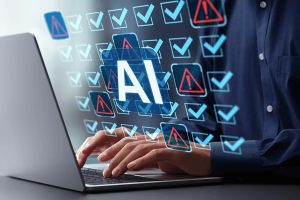
For example, AI-driven monitoring tools can flag abnormal login attempts, detect unusual file transfers, or recognize subtle signs of insider threats. Behavioral analytics plays a crucial role here, as it learns the normal behavior of users and systems, then immediately raises alerts when deviations occur. This means potential attacks can be detected in their earliest stages, long before they escalate into major security breaches.
In addition, automated incident response systems powered by AI can take immediate action, such as isolating compromised devices, blocking malicious IP addresses, or deploying countermeasures within seconds. This level of speed and precision is vital in 2025, where cyberattacks are increasingly adaptive and AI-driven themselves.
Just as games like 1xbet plinko rely on probability and fast decision-making, AI in cybersecurity thrives on real-time data analysis and predictive modeling. The faster threats are identified, the greater the chance of preventing damage and ensuring the security of digital infrastructures.
Key AI Technologies in Cybersecurity
Artificial intelligence has introduced a wide range of technologies that are reshaping how cybersecurity teams detect, analyze, and neutralize threats. In 2025, the following AI-driven approaches stand out as game-changers:
- Natural Language Processing (NLP)
NLP enables security systems to scan emails, chat messages, and other communications for signs of phishing or fraudulent activity. By understanding context, tone, and intent, NLP tools can spot subtle social engineering tactics that traditional filters often miss. - Behavioral Analytics
This technology learns the normal behavior of users, devices, and applications. When an anomaly occurs—such as a user logging in from an unusual location or accessing sensitive data at odd hours—AI flags it as suspicious. Behavioral analytics is crucial in detecting insider threats and account takeovers. - Automated Incident Response
Instead of waiting for manual intervention, AI systems can take instant action when an attack is detected. For instance, they can automatically quarantine infected files, block malicious traffic, or lock compromised accounts, dramatically reducing response times. - Generative AI for Defense
Just as hackers use generative AI to create advanced malware or deepfake attacks, cybersecurity teams are deploying generative models to simulate potential threats. These models help stress-test systems, anticipate vulnerabilities, and prepare defense strategies before real attackers strike. - Predictive Analytics
By analyzing historical data, AI can predict the likelihood of future attacks. This allows organizations to strengthen defenses proactively rather than reacting after a breach has already occurred.
Together, these technologies create a layered defense system that not only reacts to known threats but also anticipates and adapts to new ones. In an era where cybercriminals are increasingly leveraging AI, these innovations are essential for maintaining security and resilience.
Mynewshub-

